
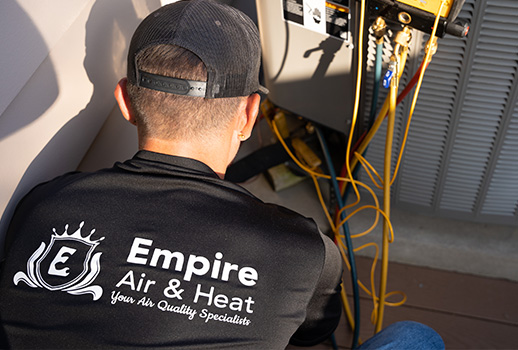
Living in Florida is great for enjoying the sun and warm weather, but it’s tough on your HVAC system. High heat and coastal air can really take a toll. To keep your home cool, comfy, and energy-efficient year-round, you need to keep your HVAC in top shape. This guide will provide you with all the essential tips and seasonal checklists to help you do just that.
Why HVAC Maintenance Is Crucial in Palm Bay’s Hot, Humid Climate
Living in Palm Bay means soaking up Florida sunshine almost every day—but it also means dealing with some serious heat and humidity. That kind of weather can really wear out your HVAC system, so keeping it in good shape isn’t just a good idea—it’s a must. An AC company Palm Bay FL explains why:
System Efficiency
Hot and humid weather pushes your HVAC system to its limit, so regular tune-ups are essential. Clean filters and parts keep it running efficiently and help lower energy bills.
Preventing Costly Breakdowns
Palm Bay’s heat and humidity put serious strain on HVAC systems, so regular check-ups are a must. They catch issues early—like leaks or worn parts—before they lead to costly breakdowns.
Moisture and Mold Control
Humidity in Palm Bay often tops 70%, so your HVAC system needs to be ready. Proper dehumidifying keeps mold at bay and your indoor air clean—good for both your health and your home.
Extending HVAC Lifespan
In Palm Bay’s nonstop heat, regular HVAC upkeep is a must. Cleaning coils and checking wiring keeps it running efficiently and helps it last longer.
Improving Indoor Air Quality
Palm Bay’s air is full of dust, pollen, and humidity-driven pollutants. Clean filters and ducts mean fresher air and fewer allergies and breathing issues.
Maintaining Warranty Coverage
Skip those HVAC tune-ups, and you might void your warranty—most manufacturers require them. No coverage means big repair bills could land on you.
A Seasonal HVAC Checklist for Florida Weather
One of the trusted Florida heating and cooling companies provides this seasonal HVAC checklist. Regular upkeep keeps things running smoothly, lasts longer, and helps you avoid breakdowns when it counts.
Spring
Get ready before the heat hits:
- Change or clean filters
- Check thermostat accuracy
- Clear 2 ft. around the outdoor unit
- Clean condenser coils
- Inspect ducts for leaks or mold
- Test startup/shutdown
- Check refrigerant & look for leaks
- Clear clogged drain lines
- Book a professional tune-up
Summer
Stay cool and efficient during peak heat:
- Swap filters monthly
- Watch for odd smells, sounds, or airflow changes
- Track energy bills for spikes
- Keep humidity around 45–55%
- Set ceiling fans to spin counterclockwise
- Check the refrigerant line insulation
Fall
Be ready for surprise cold snaps—make sure your HVAC can handle the chill.
- Replace or clean filters
- Test the heating function (even if rarely used)
- Inspect the thermostat battery or smart functions
- Clean vents and registers
- Inspect electrical connections and tighten if needed
- Lubricate moving parts (fan motors, belts)
Winter
Even off-season upkeep helps your system stay ready for spring:
- Watch indoor humidity to prevent mold
- Look out for short or odd cycling
- Run the system occasionally to keep it in shape
- Check the outdoor unit for damage or pests
- Book off-season maintenance if you missed it in the fall
How Preventive Maintenance Saves You Money
Preventive HVAC services save money by:
Reducing Energy Costs
Keeping filters and coils clean helps your system run smoothly and can cut energy costs by 10–25% a year.
Extending Equipment Lifespan
Regular HVAC maintenance helps your system last longer—up to 15–20 years instead of just 10–12—saving you from an early, expensive replacement.
Avoiding Expensive Repairs
Catching small HVAC issues early keeps repairs cheap and avoids surprise breakdowns that could cost you $500–$3,000.
Maintaining Warranty Coverage
Skipping annual HVAC maintenance could void your warranty—meaning you’d have to cover repair costs yourself. Most manufacturers need proof of service to keep coverage valid.
Improving Indoor Air Quality
Clean filters and parts mean less dust, allergens, and mold floating around—helping everyone breathe easier and stay healthier. That can mean fewer sick days and lower healthcare costs, especially in busy spaces.
Common HVAC Issues in Coastal Areas and How to Avoid Them
Coastal HVAC systems take a beating from humidity, salt, and shifting temperatures. Reliable heating and cooling companies in Florida recommend checking for common HVAC issues and doing simple maintenance to keep your system running smoothly.
Salt Air Corrosion
Problem
Salt in coastal air speeds up rust on outdoor HVAC parts like coils and fan blades, cutting efficiency and lifespan—and even leading to refrigerant leaks or breakdowns.
Prevention
- Opt for HVAC units designed for coastal areas—look for models with corrosion-resistant coatings and robust casings, such as stainless steel or galvanized metal.
- Give your outdoor unit a gentle rinse with fresh water once a month to wash off salt—just make sure it’s off and skip the pressure washer.
- Book a pro to clean your coils at least once a year—it keeps your system running strong.
High Humidity
Problem
High humidity in coastal areas leads to constant condensation in HVAC systems, making them less efficient and encouraging mold and mildew to grow inside.
Prevention
- Pair your HVAC with a whole-home dehumidifier to keep humidity under control—aim for below 50%, especially during the sticky summer months.
- Pop UV lights into your HVAC system to zap mold and bacteria lurking in the ducts and on the coils.
- Set your thermostat fan to “auto,” so it only runs when cooling—this helps control humidity better than leaving it on nonstop.
- Keep your filters clean and swap them out regularly to keep air flowing as it should.
Frequent Storms and Weather Extremes
Problem
Coastal storms can wreck HVAC systems—think flying debris, flooding, and salty air speeding up wear and tear. It all adds up to more breakdowns, electrical issues, and pricey repairs.
Prevention
- Put your outdoor HVAC unit on a raised platform or wall mount to dodge floods and salt spray—it’ll last longer and stay safer.
- Secure your outdoor unit to handle strong winds and use a storm cover during bad weather (just don’t forget to take it off after). A good cover or enclosure also blocks salt spray and flying debris without messing with airflow.
- Stick a whole-home surge protector on your system—it helps guard HVAC electronics from power spikes when storms roll in.
When to Call a Professional vs. What You Can Do Yourself
Here’s a clear guide for when to DIY and when to call a pro for HVAC services:
What You Can Do Yourself
Changing Air Filters
Changing your air filter is one of the easiest and most important things you can do. A dirty filter strains your system and lowers air quality. Check it monthly and swap it out every 1–3 months or clean it if it’s reusable.
Cleaning Vents and Registers
Dust and vacuum your vents regularly to keep air flowing smoothly. Make sure furniture or curtains aren’t blocking them, so your system can breathe easily.
Thermostat Checks
Set your thermostat to cool in summer and heat in winter—it’s easy to forget! Swap the batteries if needed and consider using a programmable or smart thermostat to save energy and stay comfy year-round.
Outdoor Unit Inspection
Keep the area around your outdoor unit clear—leaves, dirt, and debris can block airflow and strain your system. Aim for at least two feet of open space all around it.
Regular Inspections
Keep an eye out for clear warning signs—like leaks, frayed wires, or odd buildup. Catching these early can save you from bigger headaches later.
When to Call a Professional
Refrigerant Issues
If your AC’s low on refrigerant, there’s probably a leak—and that’s a job for a pro. Recharging or fixing it isn’t a DIY task since it requires special equipment and EPA certification.
Electrical Problems
Electrical issues—like tripped breakers, flickering lights, or buzzing sounds—can be dangerous.
Unusual Noises or Smells
Strange sounds like banging or hissing—or burning or musty smells—usually mean trouble.
Poor Heating or Cooling
If your system’s struggling to keep up, blowing the wrong temp, or heating and cooling unevenly, there’s likely a bigger issue—like duct leaks, motor trouble, or a failing compressor.
Annual Tune-Ups and Inspections
Even if everything seems to be running smoothly, it’s smart to get a pro to check things out once or twice a year—spring for AC, fall for heating. They’ll inspect key parts, clean things up, and catch problems early so you don’t get hit with big repairs later.
System Upgrades or Replacement
Installing a new HVAC system isn’t a DIY job—it takes the right tools, training, and know-how. A pro will size it right, hook everything up safely, and make sure your warranty stays valid. Plus, they can recommend the best setup for your space and budget.
Persistent Issues
If simple fixes don’t work or you see error codes, it’s time to call in an AC company Palm Bay FL.
FAQ Section
How often should I change my air filter in Florida?
In Florida’s humid, dusty climate, it’s best to change your HVAC filter every 1–2 months—especially if your AC runs often or there’s a lot of pollen in the air.
What is the best temperature setting for energy efficiency in Palm Bay?
Set your thermostat to 78°F when you’re home—it strikes a good balance between comfort and energy savings, especially in Palm Bay’s heat. Want to feel cooler without touching the dial? Run a ceiling fan, and you might even bump it up to 80–81°F without breaking a sweat.
How can I tell if my HVAC system is running efficiently?
Here are signs that your HVAC system’s running efficiently:
- Even Temperatures: Your home stays comfy with no hot or cold spots.
- Reasonable Bills: No big jumps in your energy costs.
- Consistent Cycles: It runs smoothly without constantly kicking on and off.
- Quiet Operation: It hums along without weird noises.
- Strong Airflow: Air moves freely from all vents.
- Humidity’s in Check: Indoor air feels just right—not too damp or too dry.
Does salty coastal air affect HVAC systems?
Salty coastal air can be tough on HVAC systems—it speeds up rust, cuts down efficiency, and shortens the system’s life. If you’re near the coast, regular maintenance is a must.
When should I schedule professional HVAC maintenance in Florida?
In Florida, aim to schedule HVAC maintenance twice a year—spring for your AC and fall for heating.
Final Thoughts
In conclusion, regular HVAC maintenance is essential for efficient operation and longevity, especially in Florida’s challenging climate. By following the tips in this guide, you can prevent costly breakdowns, improve indoor air quality, and extend the lifespan of your system. A well-maintained HVAC system saves money and ensures a comfortable living environment year-round. Stay proactive to enjoy the best of Florida’s weather.